A special Wit & Wisdom × North Coast Watersheds Association conversation
Thursday · November 12 · 7 PM
Fort George Lovell Showroom · Astoria
Add to Google CalendarWe say nature has value. We talk about protecting it, restoring it, managing it, enjoying it, preserving it, and sometimes leaving it alone.
But how do we decide what nature is worth? And what happens when we try to put that value into words?
Calling a forest a resource, a habitat, a wilderness, a home, or something sacred does more than describe the same collection of trees. Each word directs our attention differently. Each carries assumptions about what the forest is, what it is for, who belongs there, and what should happen to it.
That makes language part of our relationship with the natural world.
The North Coast Watersheds Association works to improve watershed health through community-based efforts. Philosofarian works to make philosophy common in our community. Both depend on the same thing: people paying attention, talking with each other, and thinking carefully about what matters to them. That shared ground is where this conversation comes from.
Nature, Power & Language brings together two philosophers and a poet to explore what happens when we look closely at the words we use for nature, the values those words carry, and the possibilities that different forms of expression can open.
Strand Sheldahl-Thomason
Philosopher · North Coast park ranger
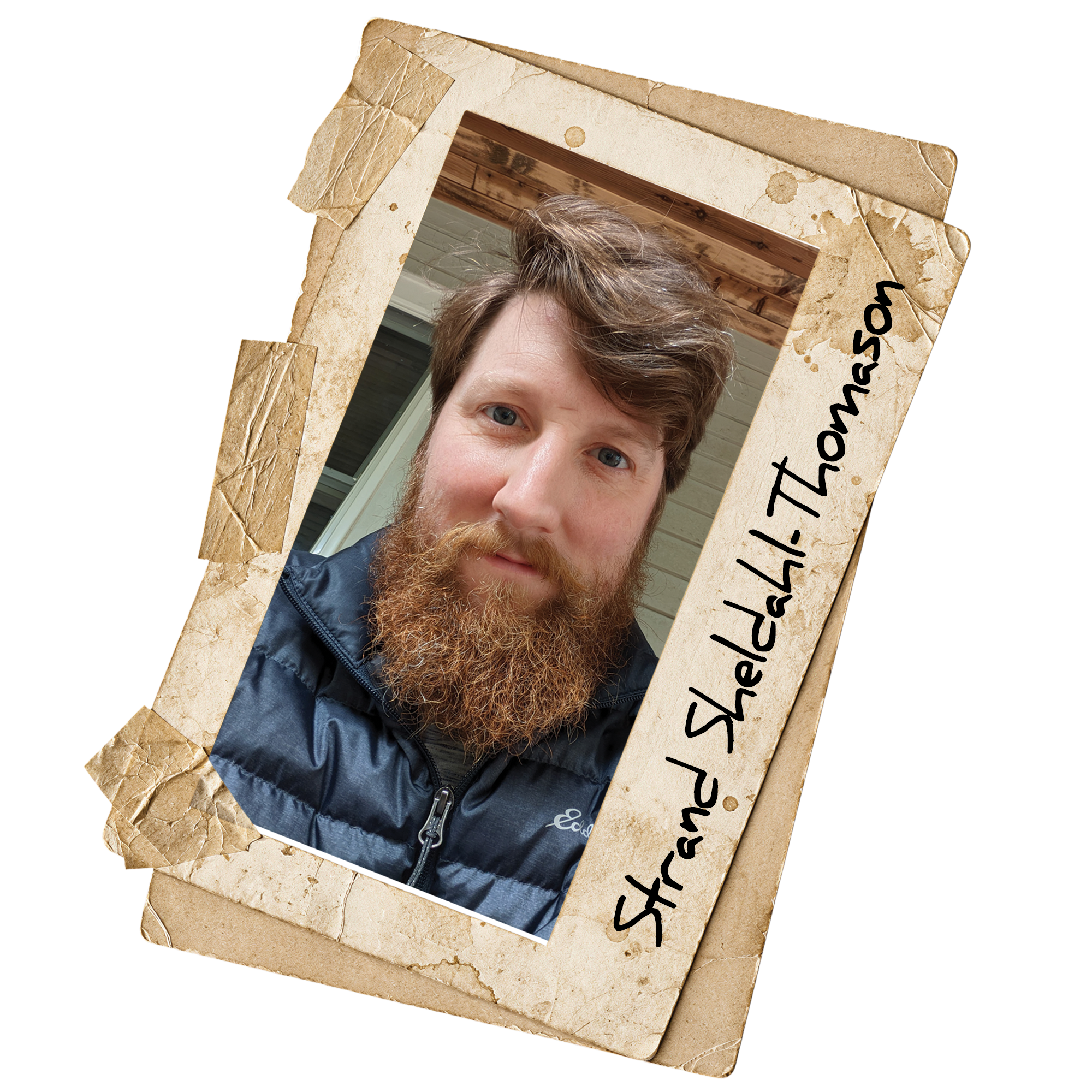
Philosopher Strand Sheldahl-Thomason brings years of work on Michel Foucault, discourse, power, ethics, and environmental thought, alongside a much more immediate relationship with the natural world through his work as a park ranger on the North Coast. His perspective invites questions about who gets to name, classify, manage, and define nature, and how those ways of speaking shape what becomes possible.
Logan Garner
Poet
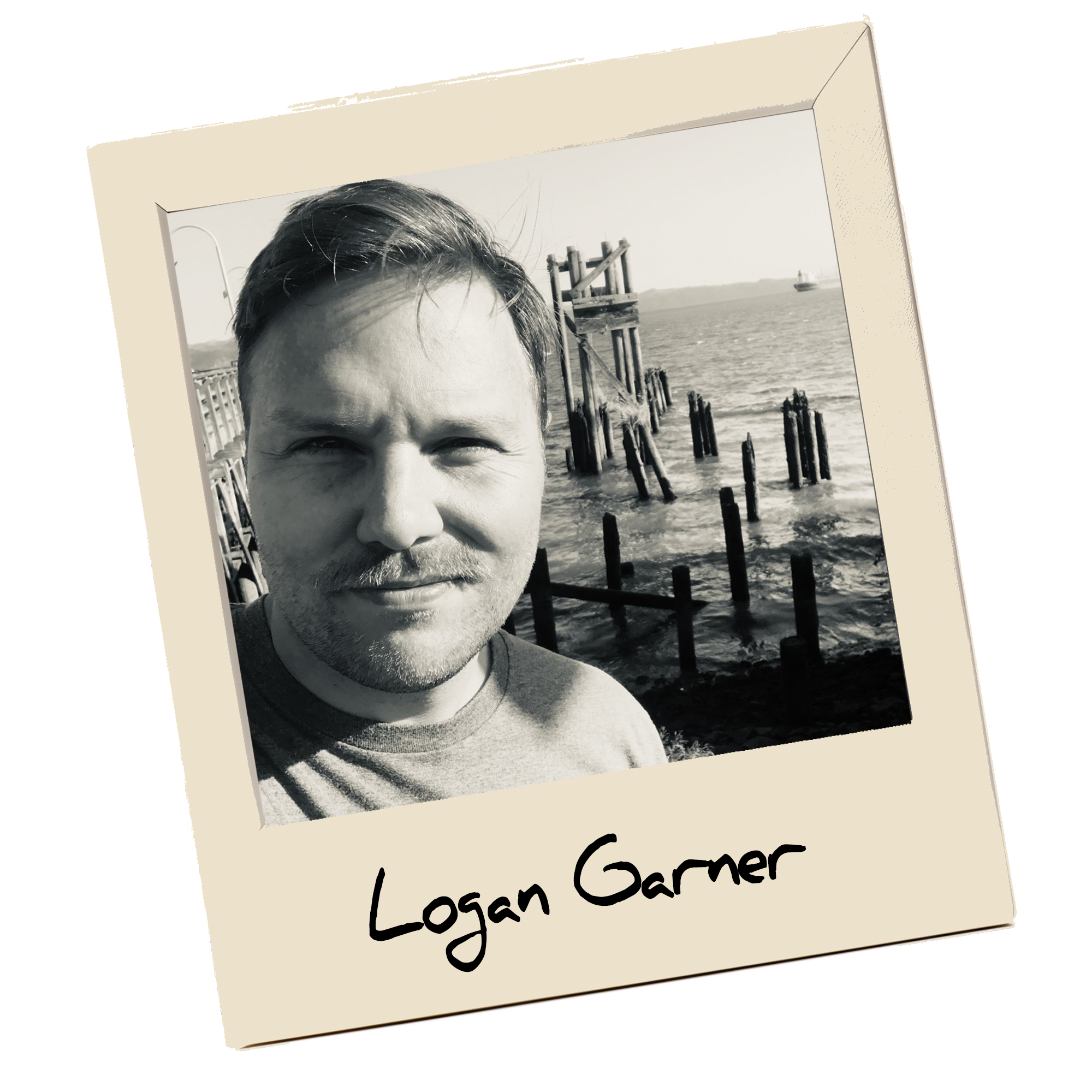
Poet Logan Garner approaches language from another direction. Poetry asks what expression can do when ordinary description is not enough. His work is deeply attentive to place and to life near the mouth of the Columbia River. His presence in the conversation raises another set of questions: Can metaphor, image, rhythm, or close attention reveal forms of value that scientific, economic, or institutional language misses? What becomes visible when we change not only what we say about nature, but how we say it?
Seth Tichenor
Philosopher · Philosofarian co-founder
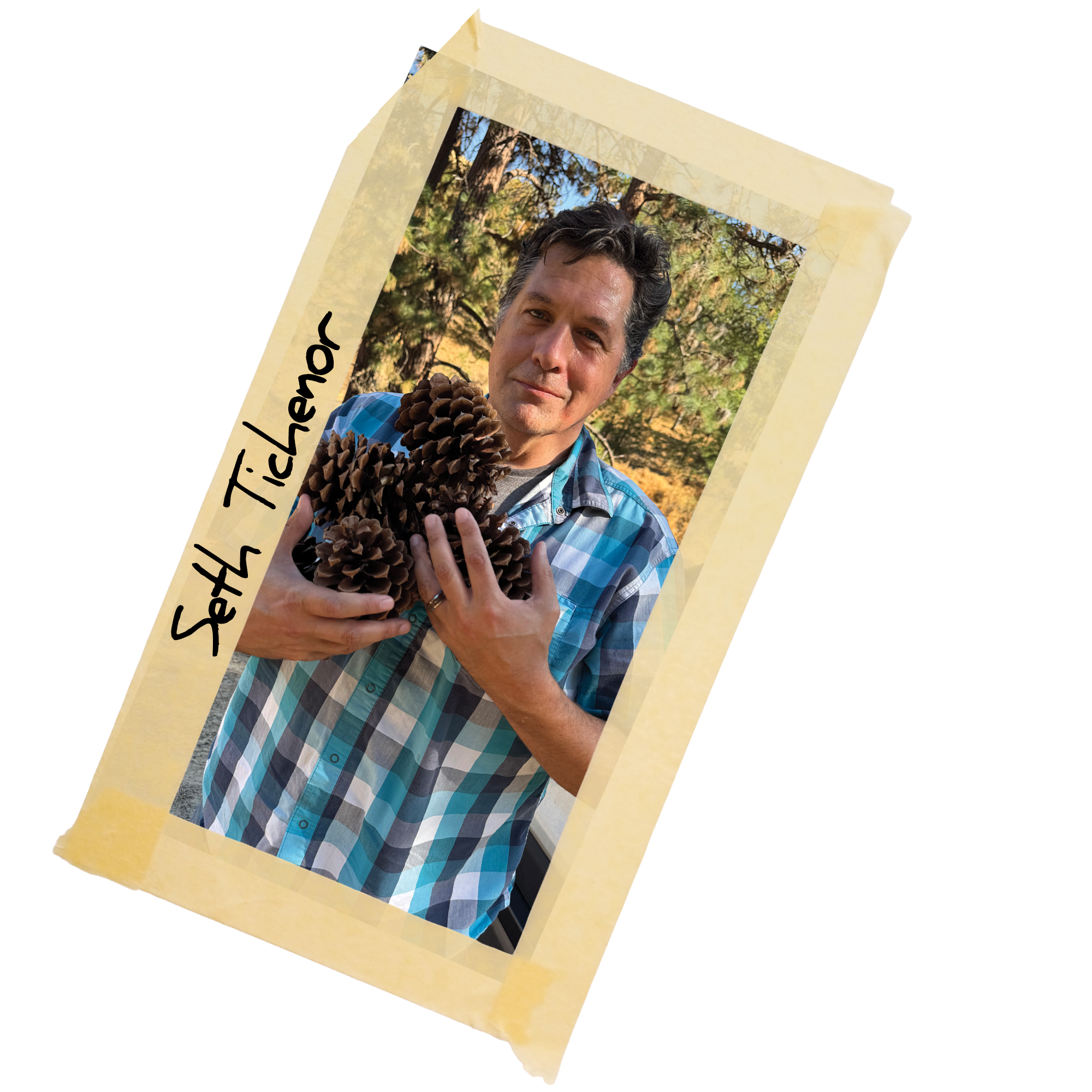
Seth Tichenor brings the conversation into Philosofarian territory, where the interesting part begins when the assumptions underneath a question start showing themselves. What do we mean when we say nature is valuable? Can we talk honestly about nature without filtering it through human needs and categories? Are some ways of speaking more truthful than others? And who decides which descriptions are taken seriously?
The three will share one conversation, each coming to language, nature, value, and expression from a very different direction.
We won't settle what nature is worth.
But we may leave noticing more about the words we use when we try to say why it matters.

Join us
When
Thursday, November 12
Doors 6:00 PM · Conversation 7:00 PM
Free and all ages. No RSVP.
Can't make it in person? Watch the livestream on Facebook.
About the North Coast Watersheds Association
The North Coast Watersheds Association works to improve watershed health through community-based efforts. [One or two sentences from NCWA about what that looks like day to day.]