What Makes a Good Answer?
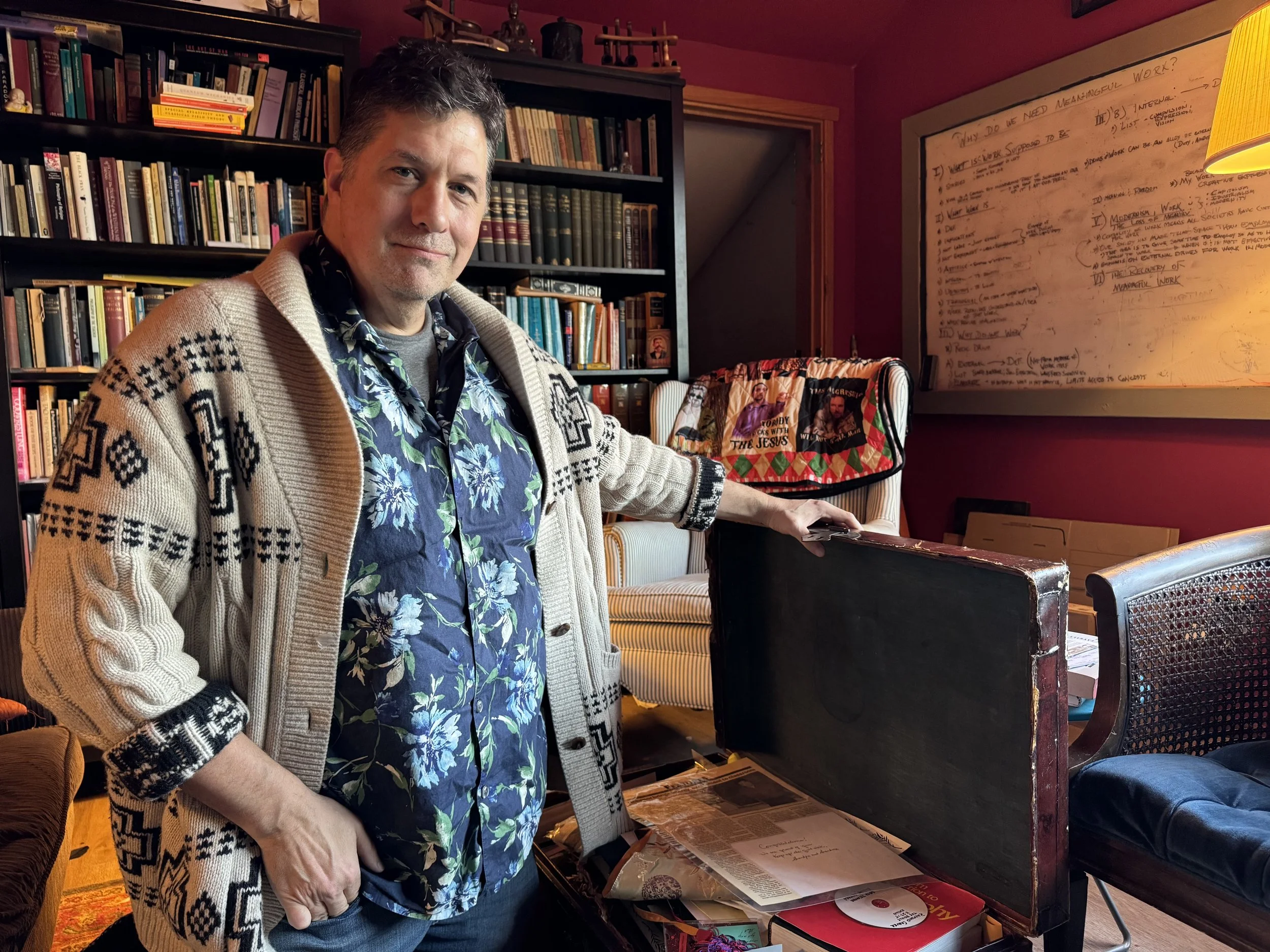
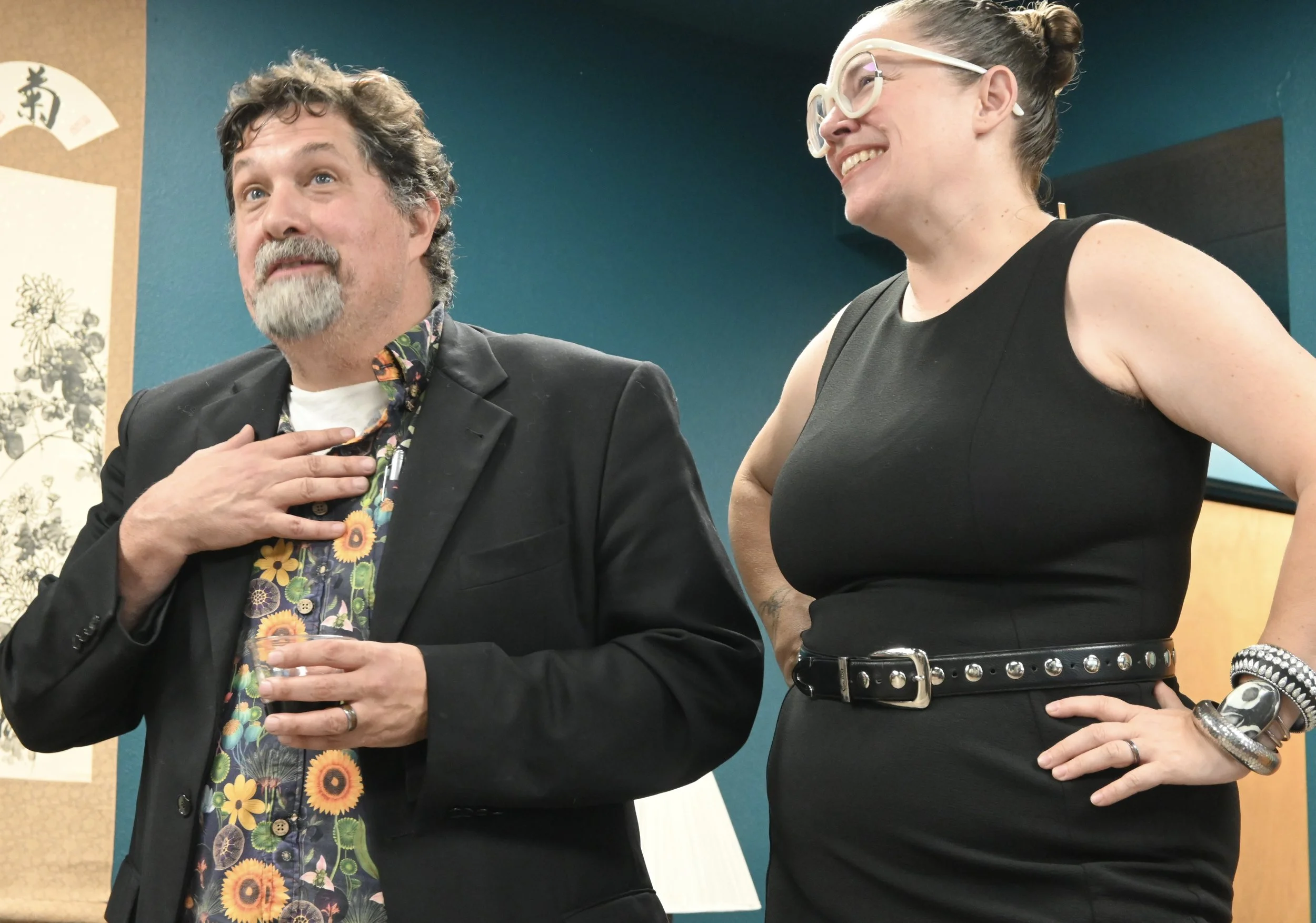
Is there such a thing as a perfect answer? Seth keeps asking. This week we wondered whether a good answer finishes a conversation or opens one, whether answers need words at all, and how you know the fish are happy. You can tell by looking.
What is the State for?
A full audio recording of the Scoundrels session on, “What is the State for?”
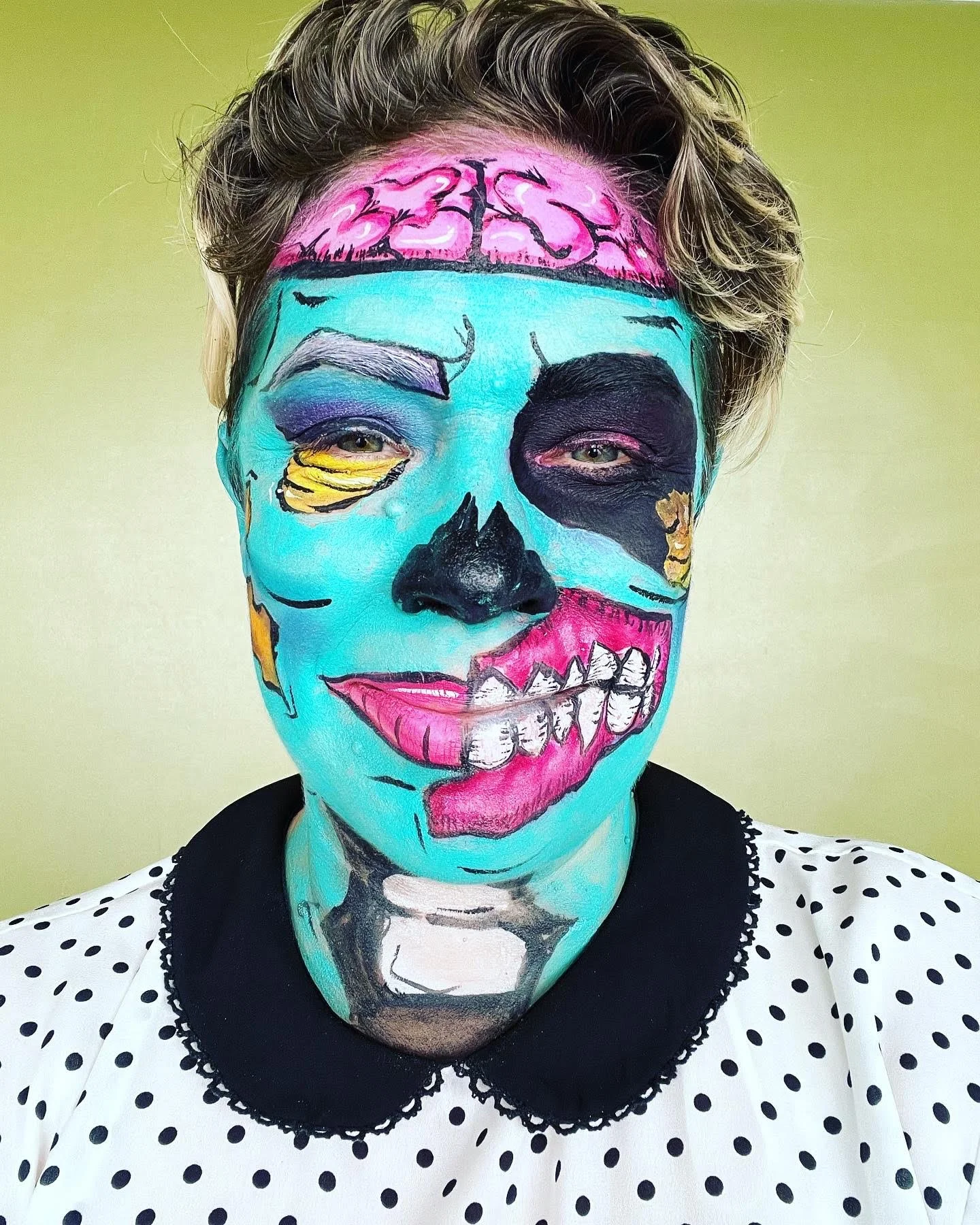
Why Do We Hold On to Zombie Ideas?
We talked about why we hold onto disproven ideas. Jim said capitalism is the zombie idea we can't let go of. Jane said zombie ideas come from hope and wait underground to be useful again. Maybe we don't want to feel stupid. We talked about a fake disease called bixonomania, General McChrystal throwing away his portrait of Robert E Lee painting, and being surrounded by a world we can't comprehend so we use heuristics to survive. Also: cognito hazards and Seth wondering what it means to be wise in a post-truth, post-trust society.
What Is Community?
Before Seth said a word, Jan made a request. We said our names. One at a time. It seemed appropriate given the question. What is community? Is it a group, an event, a school of fish? Tim had notes. The fish people had opinions. Galileo kept his mouth shut. We didn't.
How Accurate can Language Be?
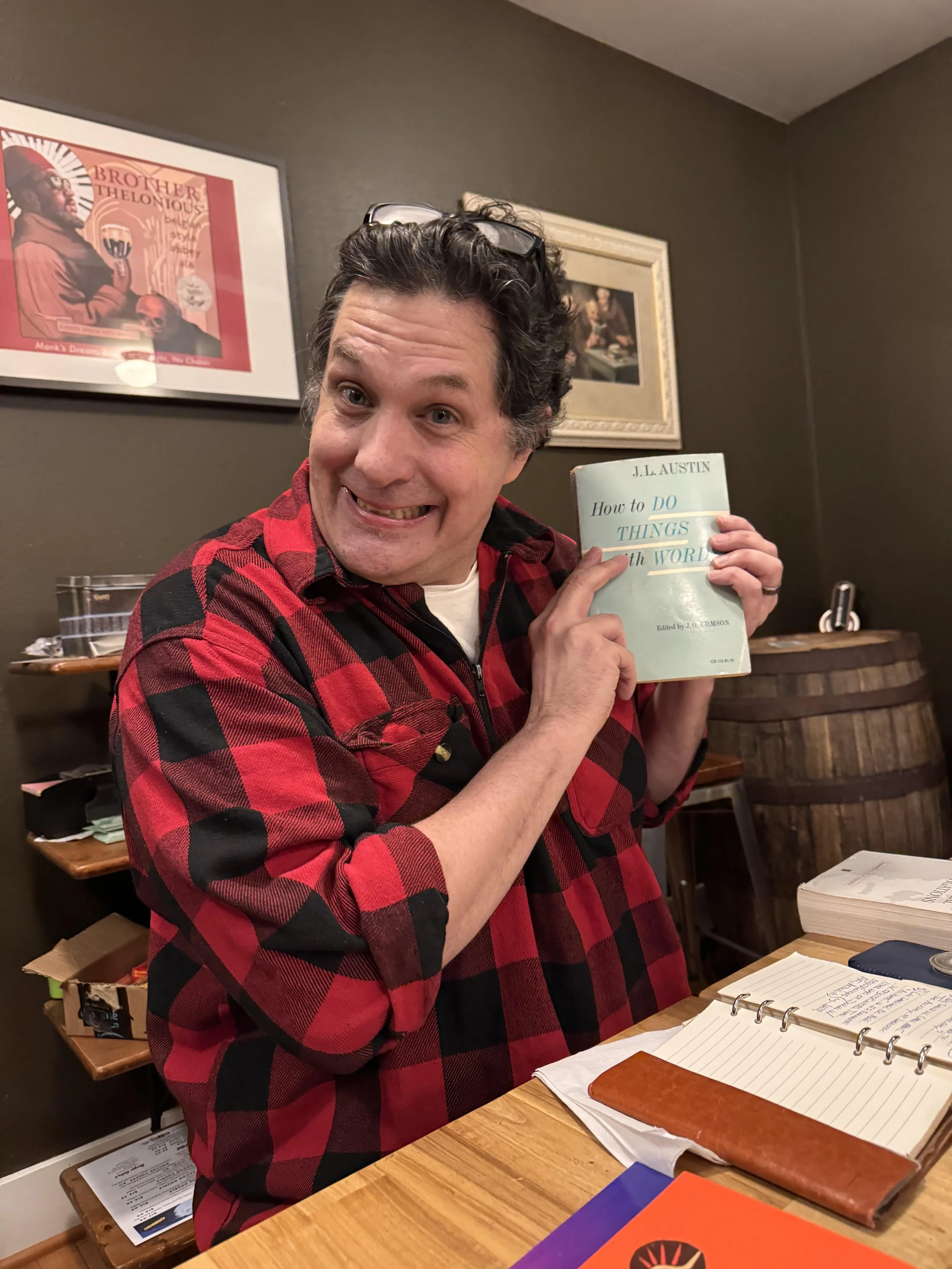
Seventeen of us showed up on a Wednesday night to ask how accurate language can be, and ended up somewhere between the Tower of Babel, a factory floor where nobody speaks the same language but everybody speaks Factory, and an island in Vanuatu where the grammar is as specific as referring to a particular rock. We talked about Latin, crows, Wittgenstein, a guy who helped invent Java, a Finnish friend who has thoughts she can think but cannot say in English, and why maintaining a language might just be another word for maintaining power. Also: pre-brew. You had to be there. Read the full reflection here.
Is There a Hierarchy to Morality?
Can you be moral toward your neighbor if you don't love yourself? Should everyone have water, or is that unfair? Tonia wants us to get better at identifying where we depart. A Korean student knows that you are your relationships, without them you cease to exist. We're killers who sometimes bless our kills. Maybe finding common ground is just imperial posturing. Maybe it's the most interesting work in philosophy.
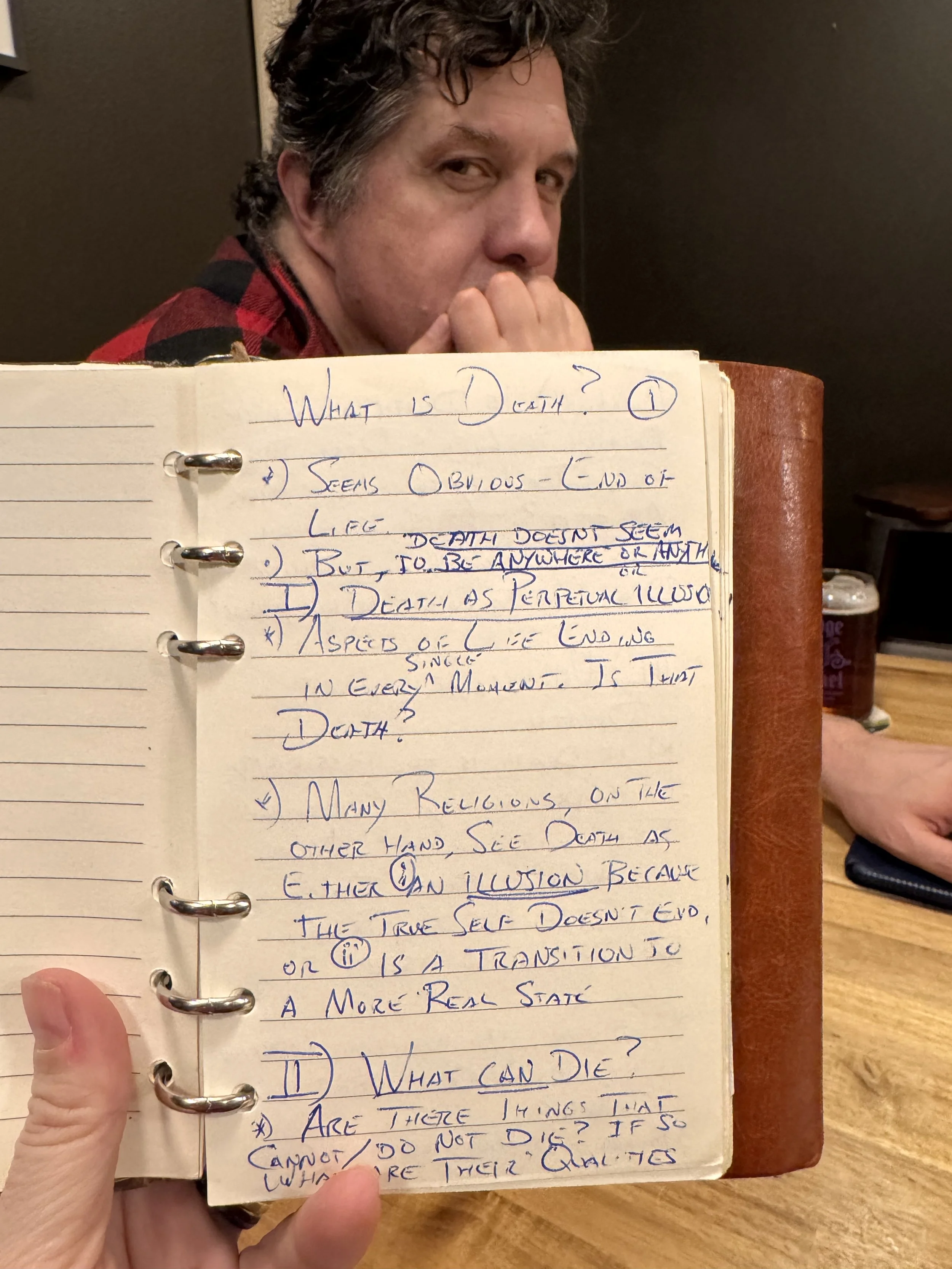
What Exactly is Death?
What exactly is death? The question seems obvious but gets slippery fast. We explored death as the cessation of change, the end of Pete-ing and Seth-ing, a cultural decision about which indicators matter. We talked about consciousness decomposing and why we keep picking disruptive versions of death in our culture. Jan's mother-in-law apologized in a warehouse dream. Pete wondered if you can die if you're not self-aware. Max held onto his grandpa calling him a good kid. And Luka wants to start a cemetery with fruit trees instead of gravestones.
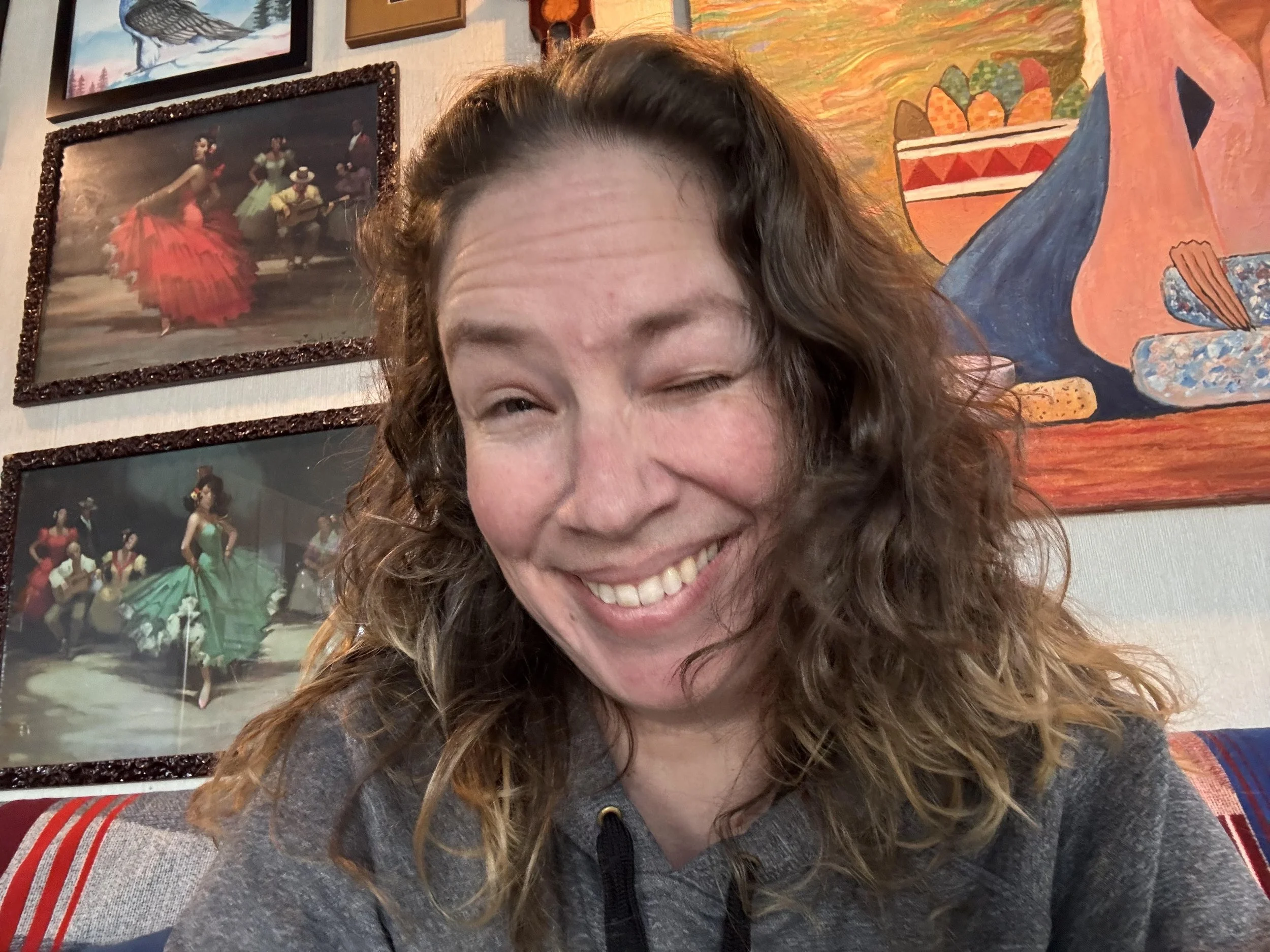
The Gap You Can’t See (and the life you build anyway).
Last night we asked: what is self-deception and how is it even possible? The question begins with a paradox—how can you deceive your own mind? Tim opened with 13,000 days sober and the gift of confronting every layer of self-deception. Jim talked about imposter syndrome and suddenly deception wasn't about lying—it was about the gap we can't see yet. Jane said self-deception is how we make a life, told us about a 50-year marriage built on a story she chose to tell herself. My pen ran out of ink while Bill was asking whether truth can emerge from a lie. Brother Fred watered a dead plant for months because his novice master told him to. Nothing happened to the stick. But something happened to Brother Fred. We never agreed whether self-deception is bad or adaptive, local or global, a gap or a creative force. Maybe it's just the way we course-correct when we can't see the whole picture. The lie we tell ourselves so we can keep moving. The story we build so we can make a life.

Discrete as I wanna be.
Thom wanted to know: is there such a thing as freewill? Jan's nephew thinks God only cares when you're sad, broken, or dead. Bob's riding hard for complexity. Don won't spoil a 100-year-old book. And I confessed I find determinism comforting—because we're still the vessels through which it all flows, still experiencing choice even if it's not "free."
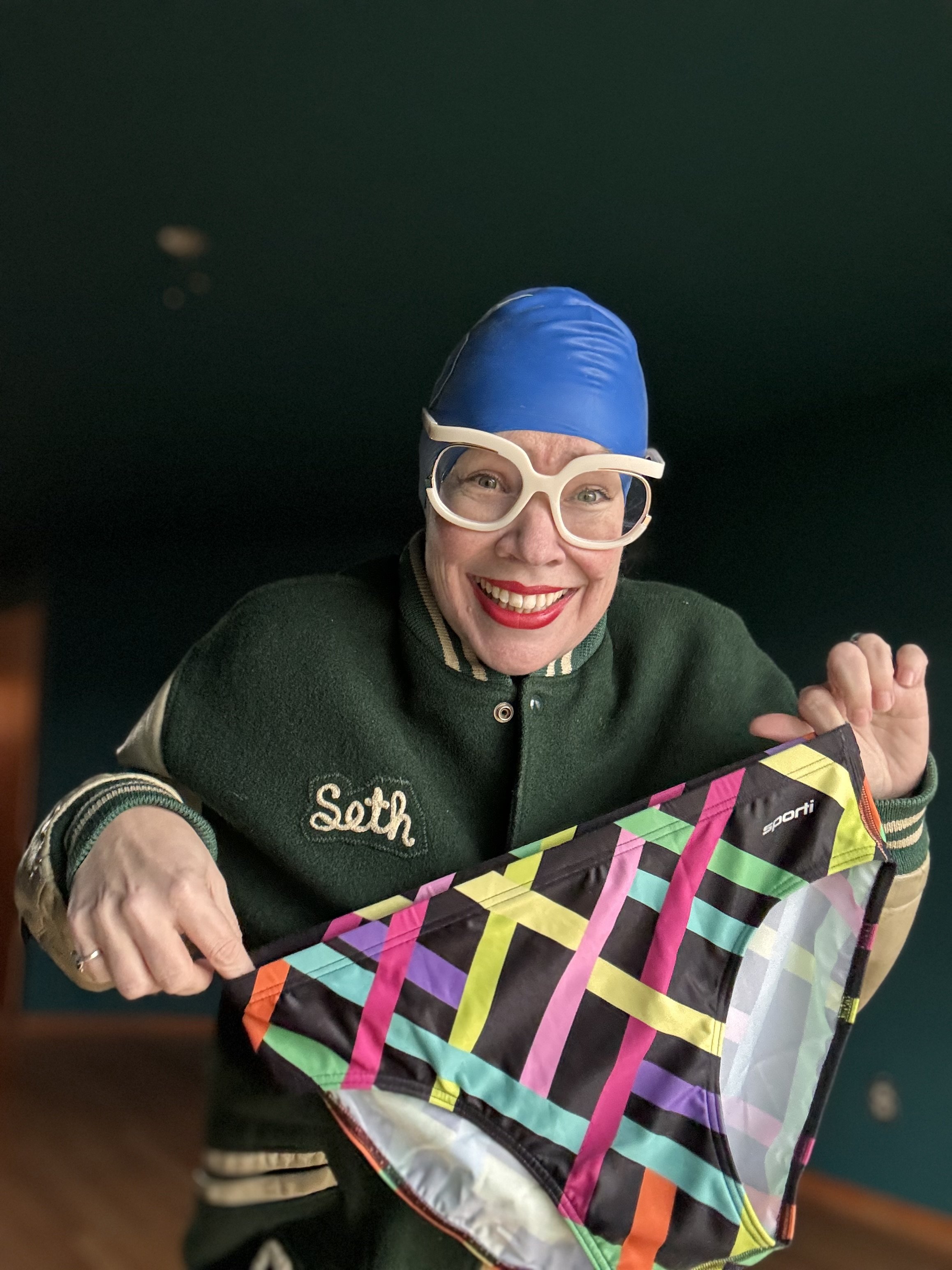
Sportsball is an Ethical Circus
Had sick kid, aging is stupid, and I missed Scoundrels. This week you get the raw recording instead of my usual reflection. The whole mess of wrestling with sports and if they have to be ethical - like at their heart are they possible without ethics? Is it cheating if everyone's doing it? What's the difference between fair and ethical? Listen and tell me what you think of this experiment.
Three Philosophers Walk Into a Bar:
Fifteen years ago, a host named Jessica Levity told us comedy is "an instrument of inquiry and insurrection." Last night we asked: what's the relationship between philosophy and comedy? Analyzing the question might be ruining the joke. But we did it anyway.
How Many Scoundrels does it take to Count the Greek Muses?
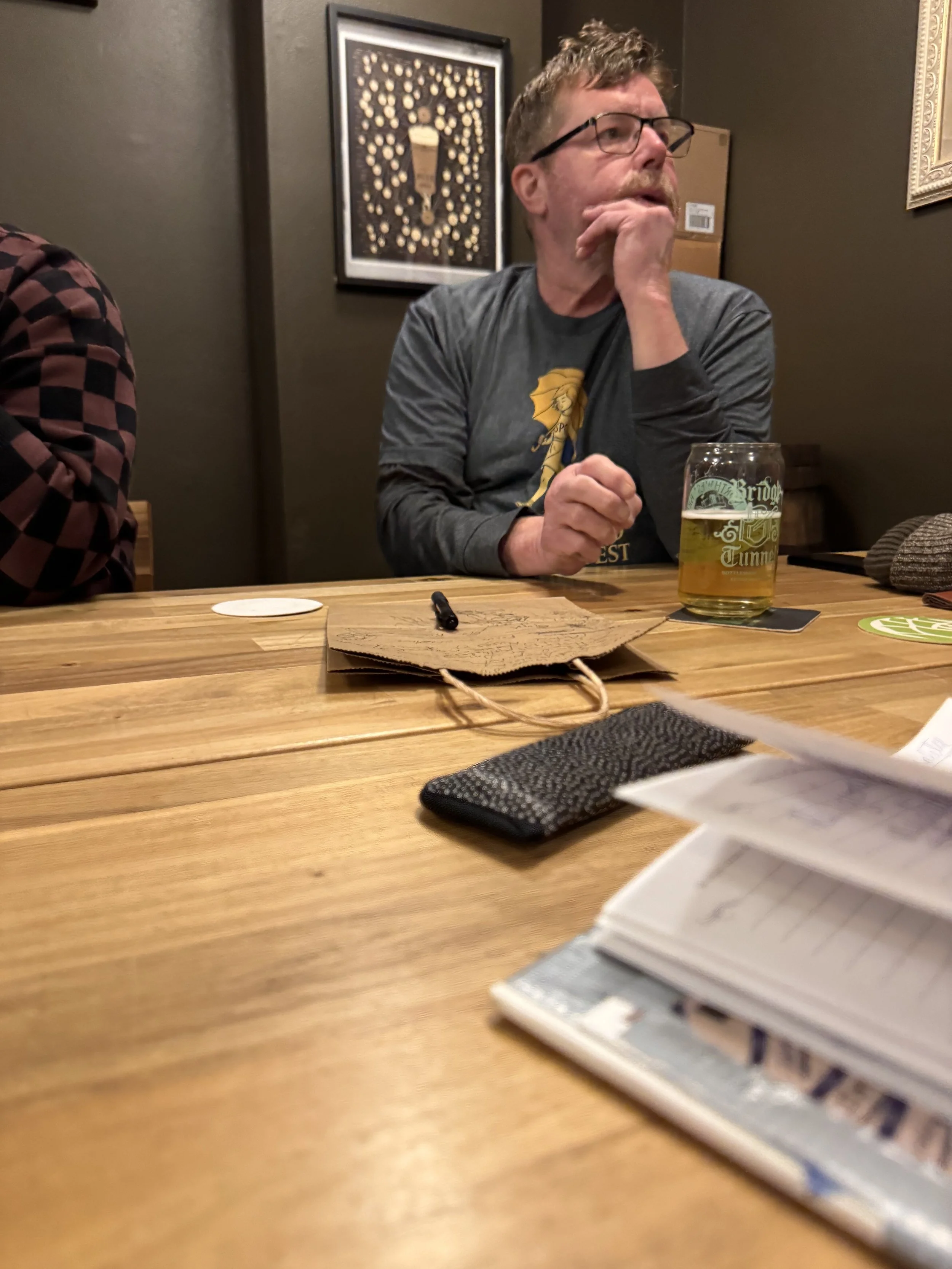
"What is a muse?" Don asked. He's dealing with creative block and wondering: Can you summon a muse? Imagine one into being? Or does it have to be real?
Fifteen of us wrestled with it. We talked about Greek muses, courtly love, stalking behavior, feminist critique, Hannah the bird sculptor, and whether AI could be a muse.
Orwell, Huxley, and the Influencer Industrial Complex
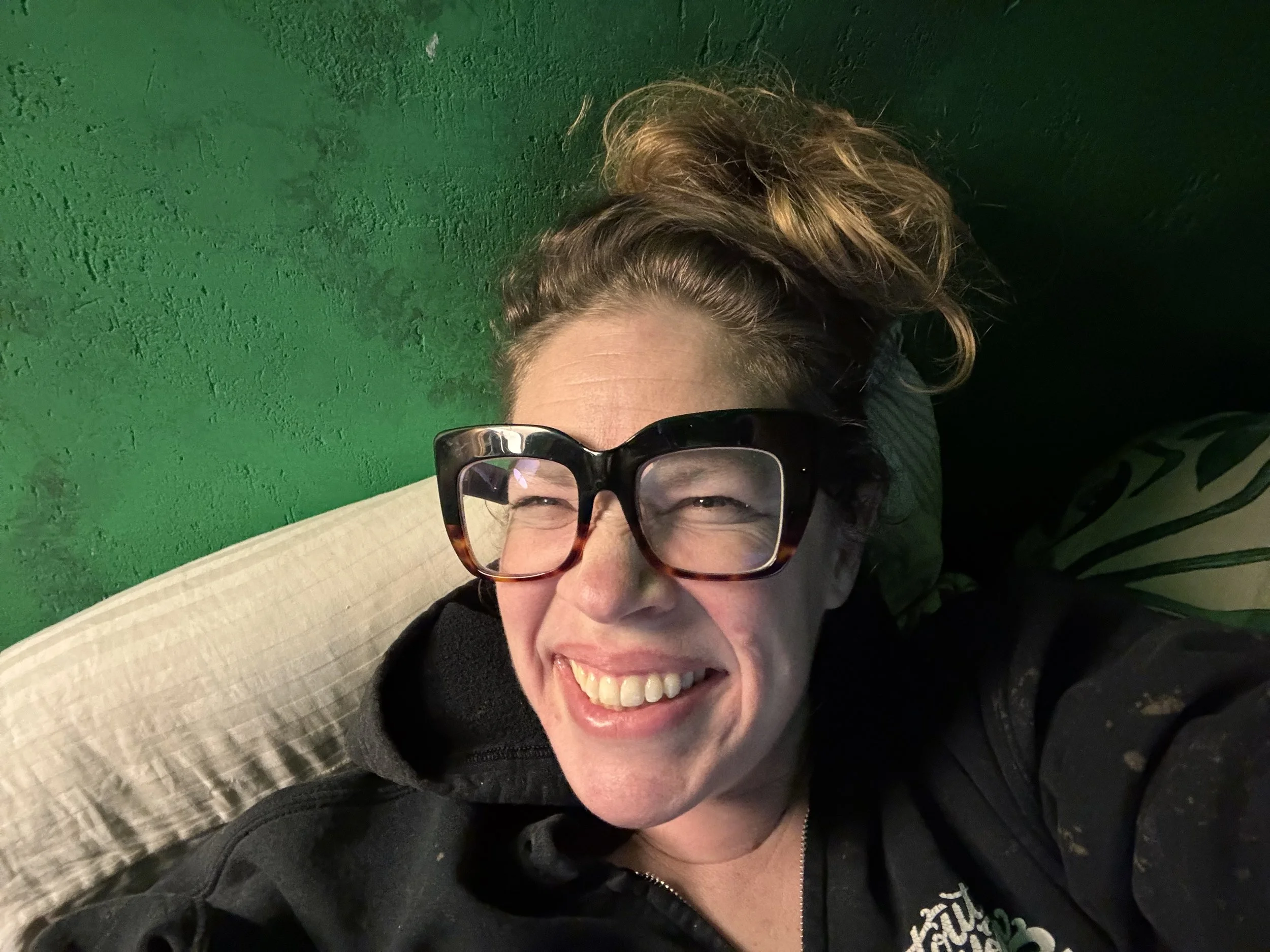
Are we living in 1984 or Brave New World? Jane keeps buying back her own books. John used to trust Eisenhower like Santa Claus. We spent the night trying to figure out if there's a healthy balance between openness and restriction of information—or if the spectrum itself is the problem
Spiderthink was supposed to be cooler
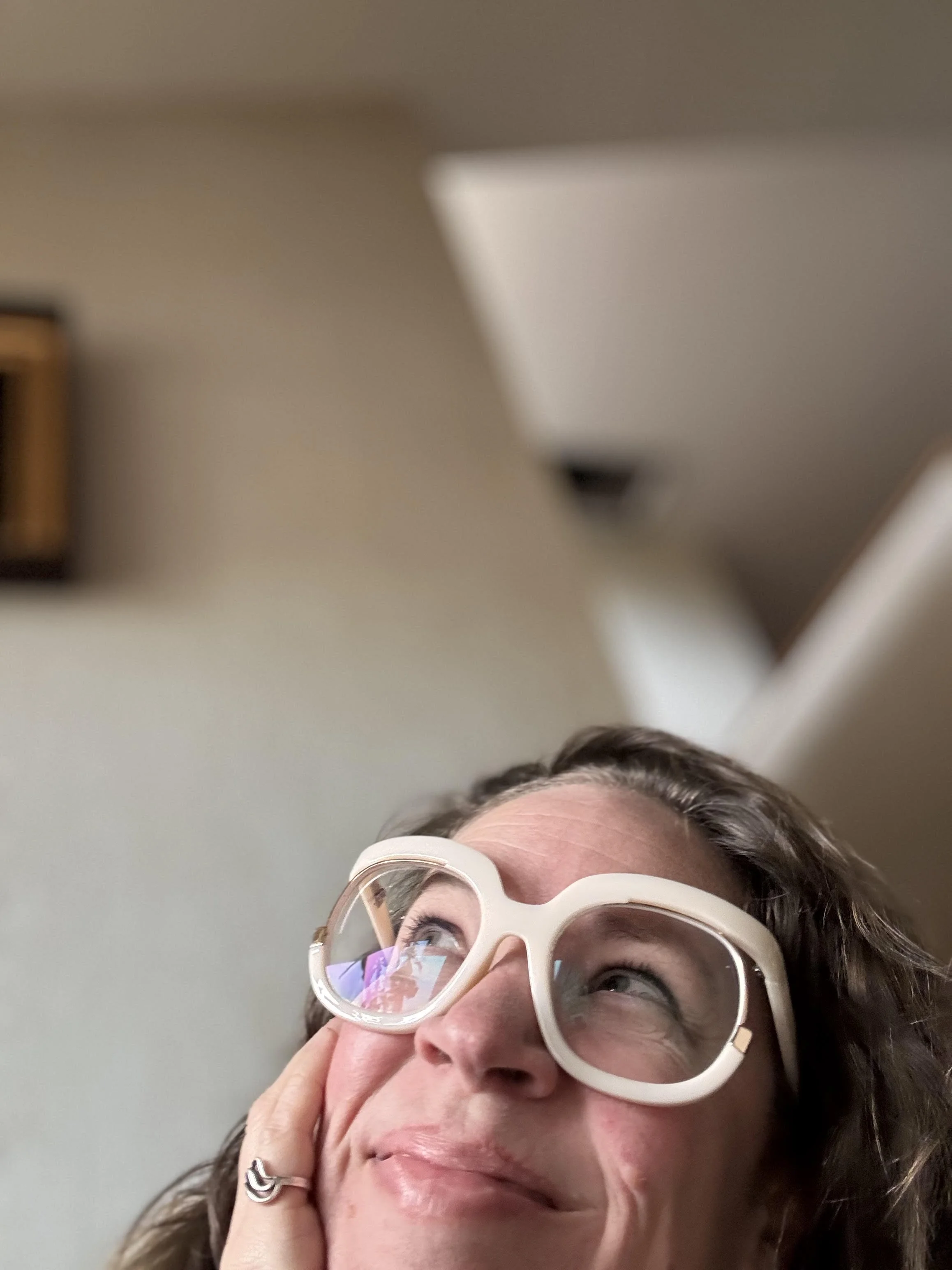
If a lion could speak, would we understand? If spiders gained intelligence, would they think like us? Can we imagine what it was like to be a medieval serf? We spent the night exploring whether our imagination has limits—or if the limits have us.
What My Bisabuela Knew
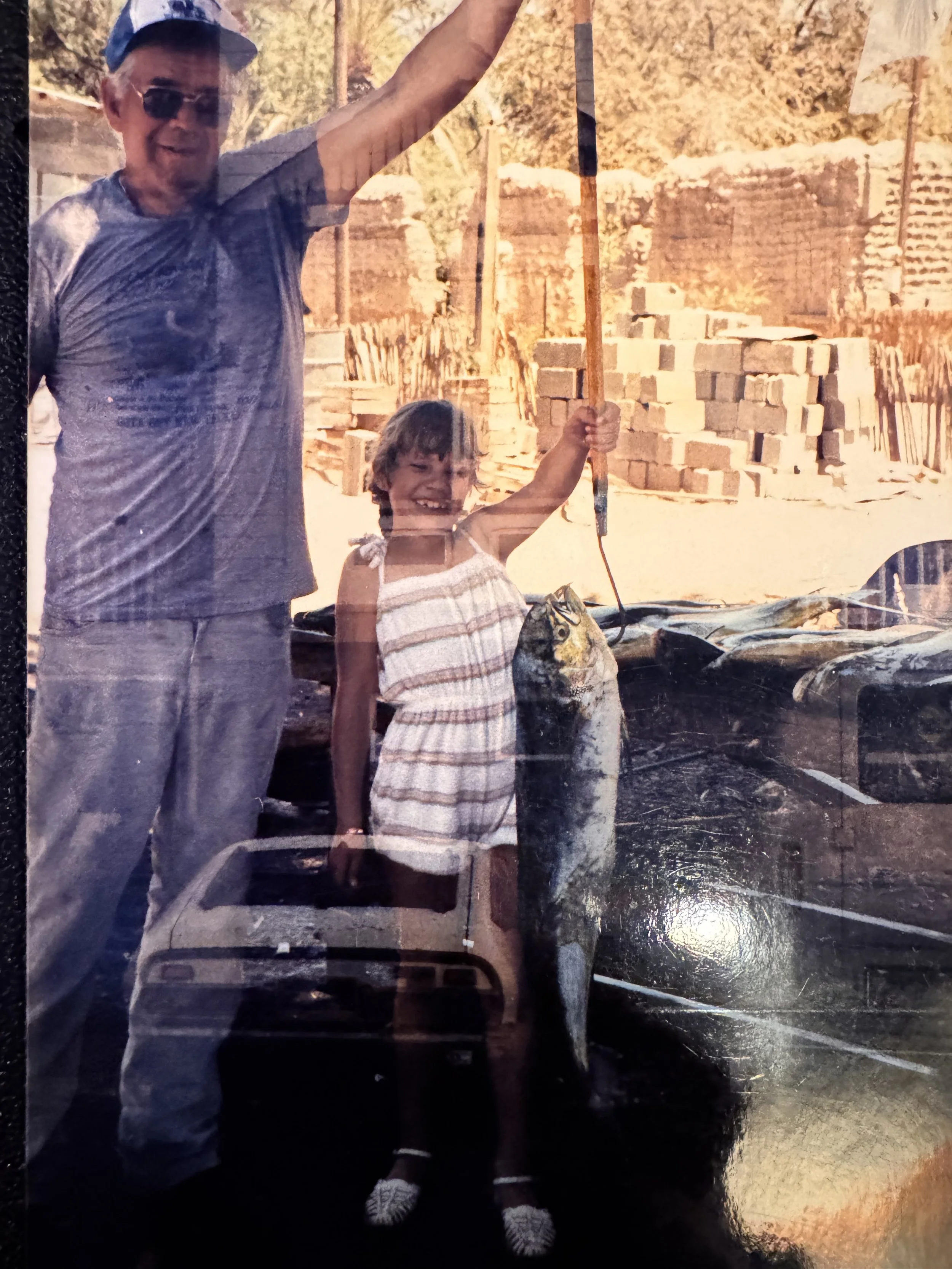
The weird part of being a mix kid is how you understand that you both belong to more and less than those who aren't. I'm faced with this a lot right now. The two worlds in which I am both a part of and removed from. And a reality that my last name is more dangerous to have than I'm used to. I am proud of my heritage. I also gulped and did a quick memory check on who's name our cars were registered in when ICE made it to our corner of the state.
If We’re the Be-All and End-All, We’re in Deep Shit
We asked why people are religious and ended up talking about gaps, certainty, wonder, hierarchy, and belonging. No clean definitions, but plenty of ways humans try to live with what they can’t fully know—together.
Ever wonder about tugboat tea?
What does it mean to wonder? We explored wonder as aesthetic experience, metabolic process, and foundation of freedom. We debated whether the internet destroys wonder or opens it up, why schools systematically kill curiosity, and at what point water becomes water. Plus: Seth's very stochastic tea.
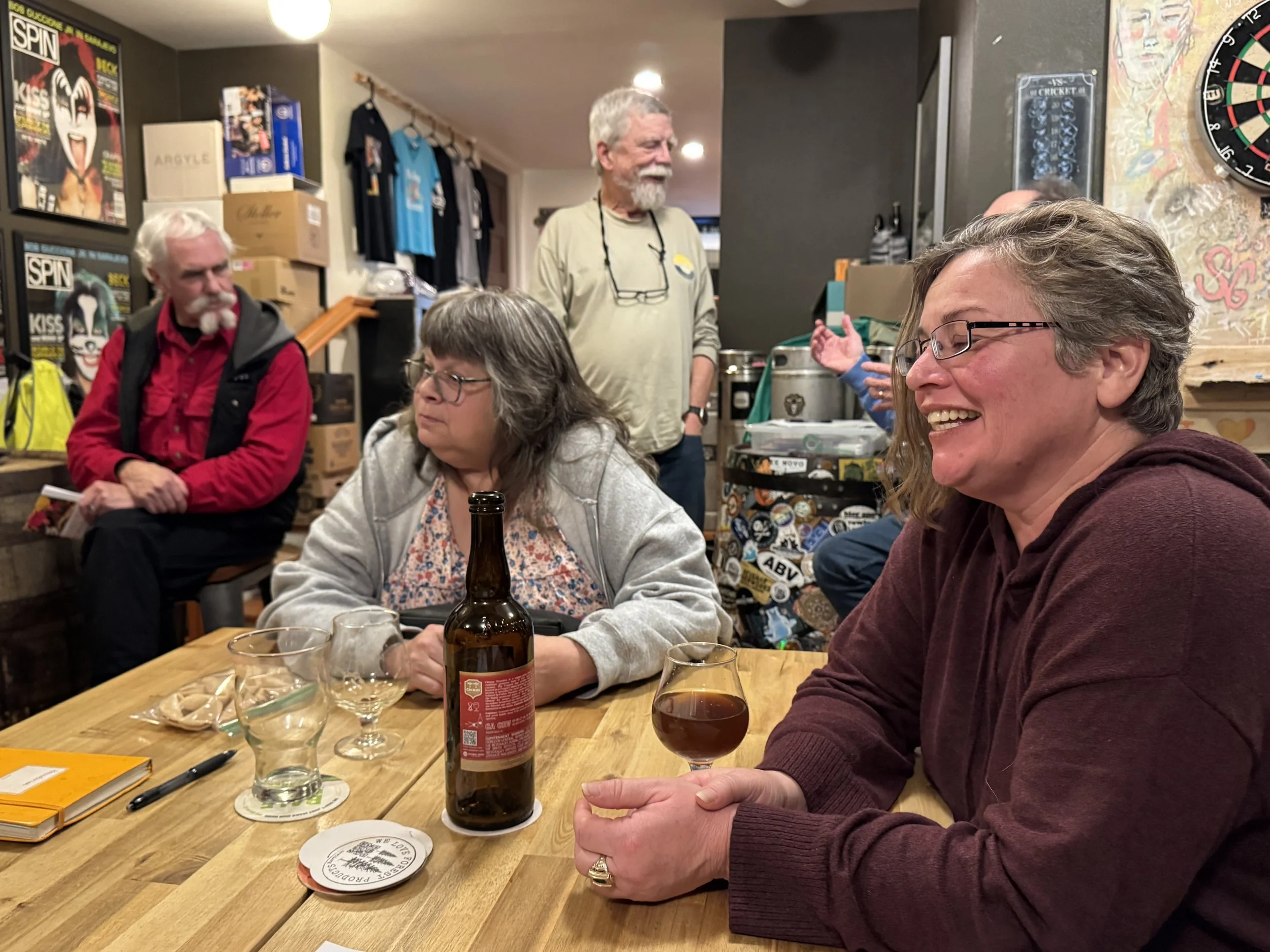
How “Third Spaces” Keep us Human
Third spaces are the coffee shops, breweries, and libraries where we go to be among people without having to do anything for them. Philosophy thrives in these places because they create the conditions for genuine dialogue—where you can bump up against ideas that aren't yours, perspectives that surprise you, and questions you didn't know you had.